
Neurodegenerative diseases arise from a complex interplay of genetic and epigenetic factors that ultimately drive the dysfunction and death of vulnerable neuronal populations in specific brain regions. To date, no effective therapies exist to prevent or halt these degenerative processes, and current treatments remain largely symptomatic with only modest benefits. One of the major challenges in contemporary neuroscience is to uncover the molecular mechanisms underlying neuronal vulnerability and degeneration, and to translate this knowledge into innovative repair strategies. Our laboratory focuses on developing and applying molecular tools to modulate the expression and post-transcriptional regulation of candidate genes implicated in neurodegeneration. By dissecting their roles in neuronal survival and dysfunction, we aim to generate mechanistic insights and pave the way toward novel therapeutic approaches for these devastating disorders.
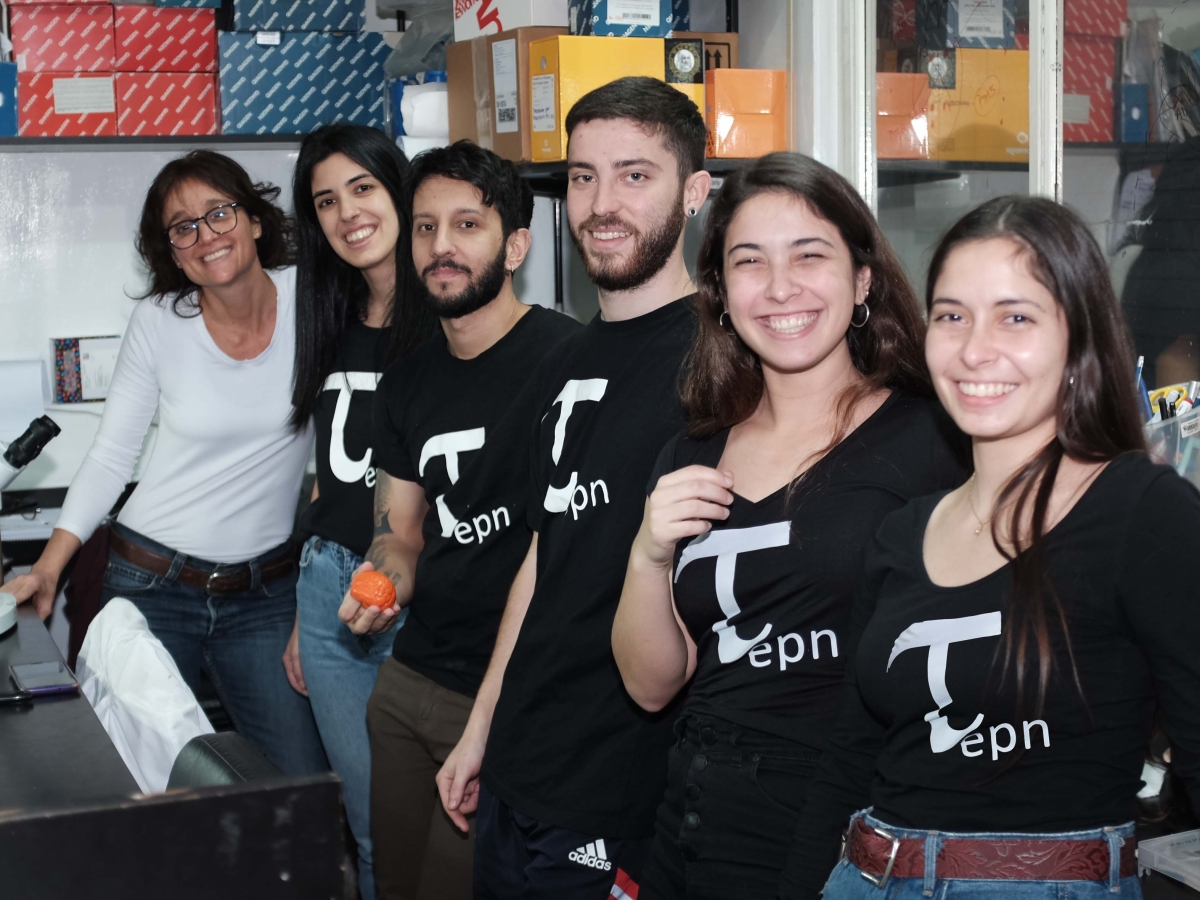
Lab Members
Carolina Facal (PhD., Postdoctoral Researcher)
Indiana Páez Paz (Ph.D. student, Fellow CONICET)
Clara Gaguine (Ph.D. student, Fellow CONICET)
Ramiro Clerici (Ph.D. student, Fellow CONICET)
Nahuel Fonseca (Ph.D. student, Fellow CONICET)
Eugenia Oneto (Ph.D. student, Fellow CONICET)
Irina Sapollnik (MSc Student FCEN-UBA)
Roxana Sosa (Technician)
Publications
Artificial microRNAs targeting tau enable post-symptomatic functional recovery in aged tauopathy mice.
Facal CL, Páez-Paz I, Pereyra AE, Gaguine C, Clerici-Delville R, Foltran R, Soiza-Reilly M, Avale ME.
Mol Ther Nucleic Acids. 2026 Jan 22;37(1):102843. doi: 10.1016/j.omtn.2026.102843. PMID: 41717287; PMCID: PMC12914657.
Prospective longitudinal cohort of Argentinean patients with progressive supranuclear palsy and corticobasal syndrome: A platform for epidemiological and translational research.
Angel MJ, Mizraji GF, Gomez-Arevalo G, G S, Gonzalez-Toledo ME, Avale ME, Paez-Paz I, Falzone T, Holubiec M, Peralta MC, Castano F, Sevlever G, Mezmezian M, Marras C M, Gershanik O, Chade A, Pardo C, Rellan F, Campastri A, Couto B.
Clin Park Relat Disord. 2025 May 15;12:100339. doi:10.1016/j.prdoa.2025.100339. PMID: 40495913; PMCID: PMC12148815.
Tau reduction with artificial microRNAs modulates neuronal physiology and improves tauopathy phenotypes in mice.
Facal CL, Fernández Bessone I, Muñiz JA, Pereyra AE, Pedroncini O, Páez-Paz I, Clerici-Delville R, Arnaiz C, Urrutia L, Falasco G, Argañaraz CV, Saez T, Marin-Burgin A, Soiza-Reilly M, Falzone T, Avale ME.
Molecular Therapy 2024 Apr 3;32(4):1080-1095. doi: 10.1016/j.ymthe.2024.01.033. PMID: 38310353. 2024.
SMaRT modulation of tau isoforms rescues cognitive and motor impairments in a preclinical model of tauopathy.
Muñiz J, Facal CL, Urrutia L, Delville RC, Damianich A, Ferrario JE, Falasco G and Avale ME.
Front. Bioengeneering and Biotechnology (IF=5.9). 10:951384. doi: 10.3389/fbioe.2022.951384. 2022.
Partial Ablation of Postsynaptic Dopamine D2 Receptors in the Central Nucleus of the Amygdala Increases Risk Avoidance in Exploratory Tasks.
Casey E, Avale ME, Kravitz A, Rubinstein M.
eNeuro. 2022 Mar 15;9(2):ENEURO.0528-21.2022. doi: 10.1523/ENEURO.0528-21.2022. PMID: 35210287; PMCID: PMC8925651.
Tau mis-splicing correlates with motor impairments and striatal dysfunction in a model of tauopathy.
Damianich A, Facal CL, Muñiz JA, Mininni C, Soiza-Reilly M, Ponce De León M, Urrutia L, Falasco G, Ferrario JE, Avale ME.
Brain. 2021 Jun 1: awab130. doi: 10.1093/brain/awab130. PMID: 34059893
Fyn knockdown prevents levodopa-induced dyskinesia in a mouse model of Parkinson’s disease.
Bordone MP, Damianich A, Bernardi MA, Eidelman T, Sanz-Blasco S, Gershanik OS, Avale ME, Ferrario JE.
eNeuro. 2021 Jun 7;8(4):ENEURO.0559-20.2021. doi: 10.1523/ENEURO.0559-20.2021.
Modulation of Tau Isoforms Imbalance Precludes Tau Pathology and Cognitive Decline in a Mouse Model of Tauopathy.
Espíndola SL, Damianich A, Alvarez RJ, Sartor M, Belforte JE, Ferrario JE, Gallo JM, Avale ME.
Cell Rep. 2018 Apr 17;23(3):709-715. doi: 10.1016/j.celrep.2018.03.079.
The kinase Fyn mediates L-DOPA induced dyskinesia in animal models of Parkinson’s Disease.
Sans-Blasco S, Bordone M, Saborido M, Daminaich A, Gomez G, Avale ME, Gershanik OS, Ferrario JE. 2017.
Molecular Neurobiology.
Tau isoforms imbalance impairs the axonal transport of the amyloid precursor protein (APP) in human neurons.
Lacovich V, Espindola SL, Alloatti M, Pozo Devoto V, Cromberg L, Čarná M, Forte G, Gallo JM, Bruno L, Stokin G, Avale ME*, Falzone TL*. 2017.
Journal of Neuroscience. 37:58-69. (*corresponding author)
Trans-splicing correction of tau isoform imbalance in a mouse model of tau mis-splicing.
Avale ME, Rodríguez-Martín T, Gallo JM. 2013.
Human Molecular Genetics. 22:2603-11.
Patents & knowledge transfer
MICRORNAS DESIGNED AGAINST THE MICROTUBULEASSOCIATED PROTEIN TAU FOR THE TREATMENT OF TAUOPATHIES
Patent Cooperation Treaty WO 2025/027577 (https://patentscope.wipo.int/search/en/WO2025027577)
Research Goals
We investigate the molecular mechanisms underlying tauopathies (Alzheimer’s disease and related dementias) and Parkinson’s disease, integrating genetic studies in patients with experimental models. Using transgenic mice and cultured neurons, we examine neuronal dysfunction, survival, and death, and evaluate candidate molecular therapies for neurodegenerative processes. In particular, we develop and validate RNA-based therapeutic tools, such as artificial microRNAs, to selectively modulate gene expression. By combining insights from human genetics, animal models, and cell-based systems, our goal is to uncover key pathways of neuronal vulnerability and advance innovative therapeutic strategies. We pursue these aims through three main lines of research:
Post-transcriptional regulation of tau
This project focus on understanding the post-transcriptional regulation of the MAPT gene, which encodes the microtubule-associated protein tau, and on evaluating the functional consequences of its alterations in models of neurodegeneration. Tau is predominantly expressed in neurons, where it contributes to microtubule stabilization and axonal transport under normal conditions. Alzheimer’s disease (AD) and related neurodegenerative disorders are classified as tauopathies due to the abnormal accumulation of tau protein in affected brains.
In our laboratory, we pioneered and optimized a molecular strategy to correct defects arising from abnormal tau splicing through the expression of heterologous RNA fragments capable of coupling with the endogenous transcript to generate functional RNA chimeras (Avale et al., 2013). This trans‑splicing approach allowed us to study the consequences of tau isoform imbalance on axonal transport in human neurons (Lacovich et al., 2017), the development of cognitive deficits in a murine tauopathy model (Espindola et al., 2018), and motor deficits related to parkinsonism (Damianich et al., 2021). We further refined this trans‑splicing intervention for phenotypic rescue in a preclinical model (Muñiz et al., 2022).
To expand therapeutic applications, we also developed novel RNA-based tools, including artificially designed microRNAs (Facal et al.2024, 2025), to silence tau and evaluate phenotypic recovery. This work is currently being complemented by ongoing studies on the selective vulnerability of neuronal populations in tauopathies and Parkinson’s disease, aiming to uncover the molecular bases of neuronal susceptibility and to advance targeted therapeutic strategies.
Predictive phenotypes and environmental effects in the development of tauopathies
To gain deeper insight into prodromal phenotypes and advance early diagnosis of dementias, we investigate early biochemical, behavioral, and sensory markers that may predict neurodegenerative processes associated with tau dysfunction and/or other target molecules. We also explore environmental factors that could influence the development and progression of tau pathology.
Our studies examine how specific conditions—such as sleep disturbances, olfactory impairment, hearing loss, exposure to synthetic or natural compounds, and dietary habits—affect pathological tau accumulation and modulate the manifestation of early or late phenotypes in tauopathy models.
GWAS Analysis and Translational Research
Our laboratory is part of the Argentine Consortium for Translational Research in Primary Tauopathies (CAITauP), which aims to establish a comprehensive repository of clinical, genetic, molecular, and histopathological data from patients with Progressive Supranuclear Palsy (PSP) and corticobasal degeneration (CBD) in Argentina. This resource enables us to perform genome-wide association studies (GWAS) to identify genetic variants linked to these disorders and to translate these findings into mechanistic insights and potential therapeutic approaches. (https://ingebi-conicet.gov.ar/en/caitaup-en/)
Available positions
If you fancy joining us for an internship, PhD or postdoctoral training send you CV to tepnlabo@gmail.com
Grants
Current Funding
2023-2027: Gene expression and RNA processing in human disease – Funded by Argentina Ministry of Science “Redes de Alto Impacto”. Role: PI
2024-2026: GWAS analysis in Argentinean patients with atypical parkinsonism. Funded by Michael J Fox Foundation (GP2 program) MJFF-026252. Role: PI
2025-2028:, “Tackling TAU under the light of selective vulnerability.” – Funded by Alzheimer’s Association 25AARG-1414032. Role: PI
Previous grants:
Ataxia UK pilot grants (Colaborator). Title: Evaluation of RNA trans-splicing as a therapeutic strategy for spinocerebellar ataxia. (2023-2024)
PIP-2021-2023
FONCyT-Proyectos de Investigación Científica y Tecnológica (PICT A) 2022
FONCyT-Proyectos de Investigación Científica y Tecnológica (PICT A) 2020
FONCyT-Proyectos de Investigación Científica y Tecnológica (PICT A) 2018
International Brain Research Organization (IBRO Return Home Fellowship)
International Society for Neurochemistry (IR- CAEN grant 2014)
Agencia Nacional de Promoción Científica (IR-PICT 2013)
Michael J. Fox Foundation for Parkinson’s Research (Colaborador -Target validation program 2014-IR: Dr Oscar Gershanik-ININFA-CONICET)
Cure PSP Venture grant (202-2022)
PICT 2021 CAT-II-00061-FONCYT-Argentina (salto institucional INGEBI-Rol: miembro GR) “Estudios interdisciplinarios con Enfoque UNA SALUD”: FONCyT-Proyectos de Investigación Científica y Tecnológica (PICT A) 2018
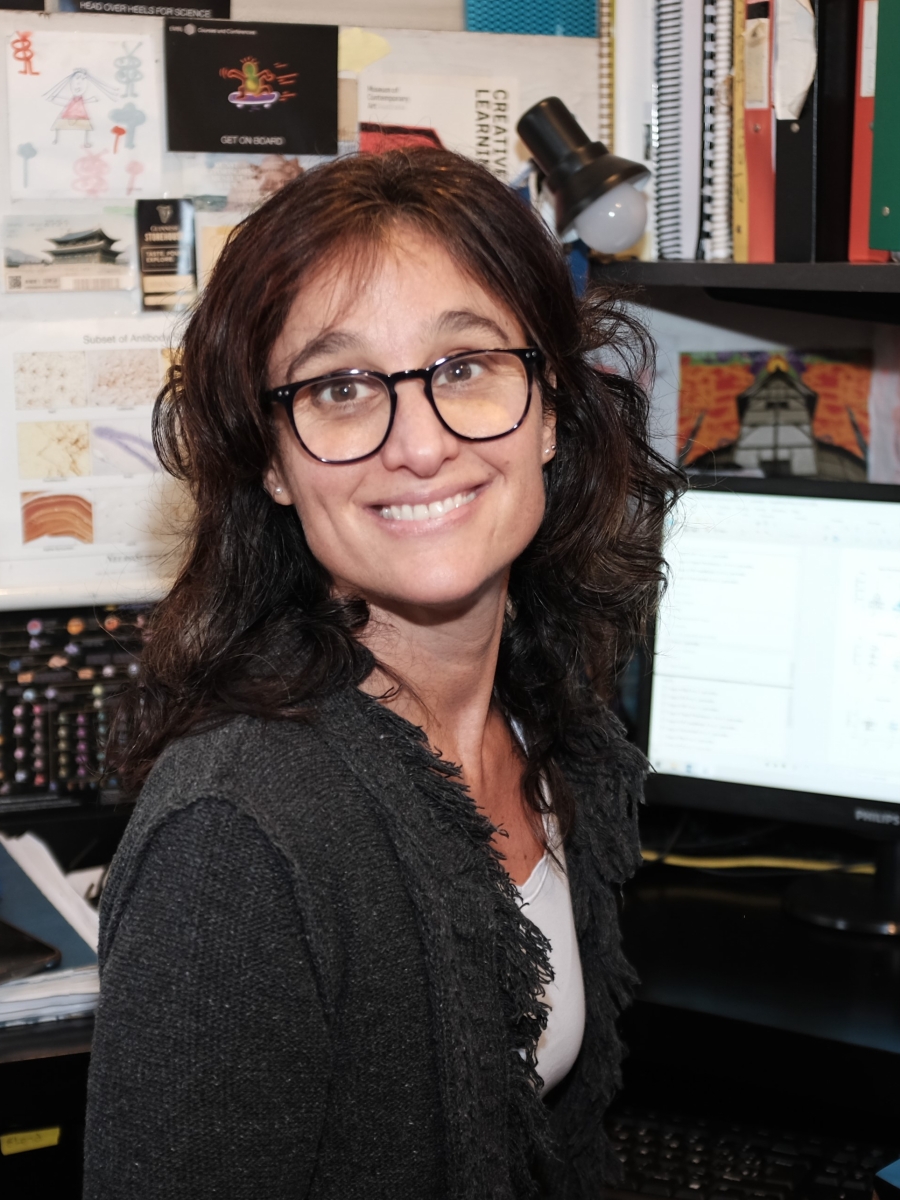
- PI -Group Leader CONICET.
- Associate Professor University of Buenos Aires