
In August, several activities of scientific interest took place in Buenos Aires and Montevideo, organized by the Global Parkinson’s Genetics Program (GP2) and the Latin American Research Consortium on the Genetics of Parkinson’s Disease (LARGE-PD). These programs bring together neurologists, scientists, and data analysts from around the world aiming to unravel the genetic architecture of Parkinson’s disease and other atypical parkinsonisms. INGEBI collaborates with these global efforts through the Argentine Consortium for Research on Primary Taupathies (CAITauP) and the Experimental Therapeutics of Neurodegenerative Processes (TEPN) group.
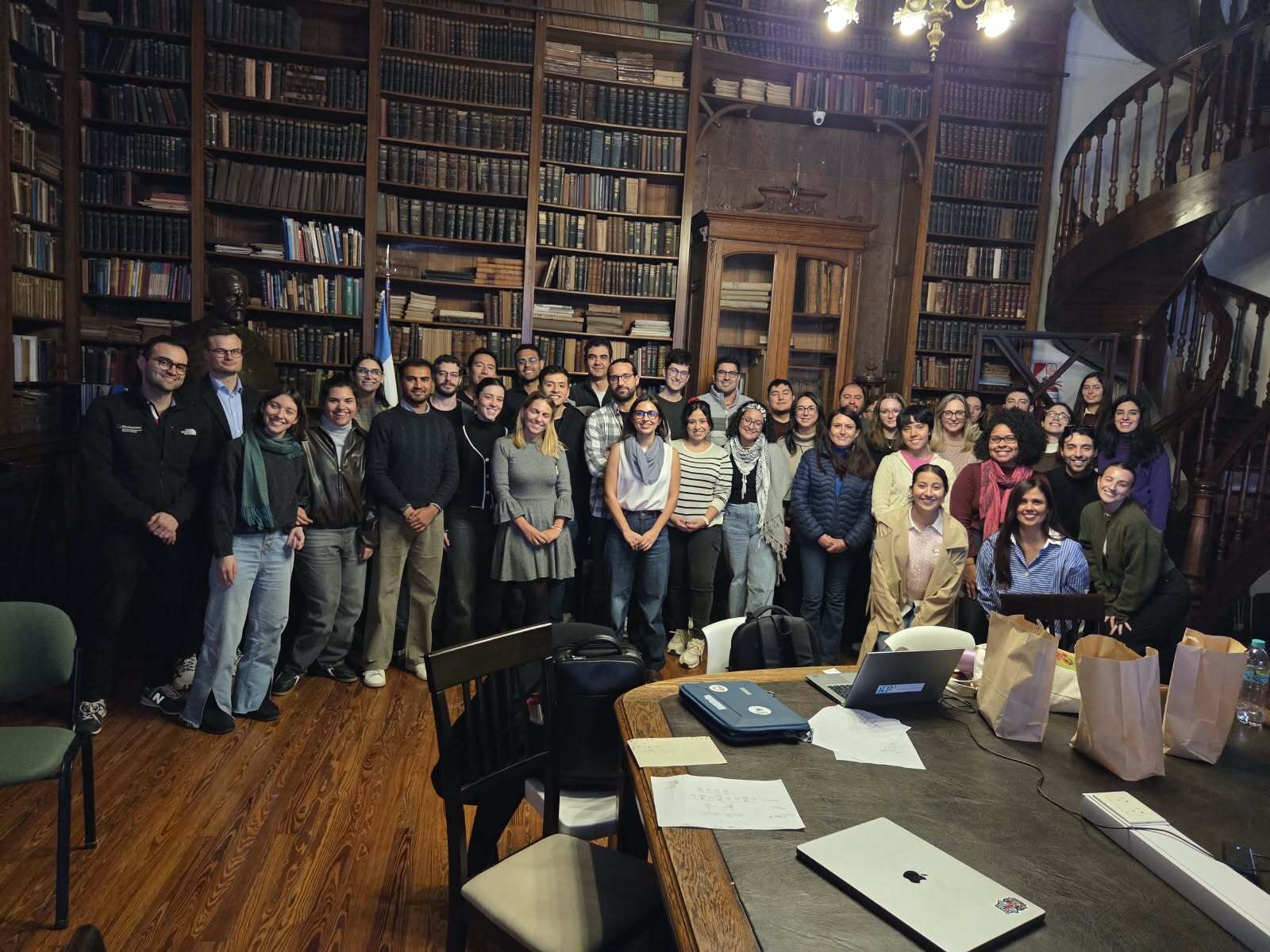
First, on the 19th and 20th, a bioinformatics workshop was held at the central library of the ANLIS-Malbrán Institute in Buenos Aires. The workshop was divided into two levels and focused on the use of computational tools to perform monogenic and familial studies within the extensive GP2 consortium database. The event was attended by more than 30 specialists from 7 countries in the Americas, including several TEPN members who were part of the organizing team and attended to strengthen local analytical capacities.
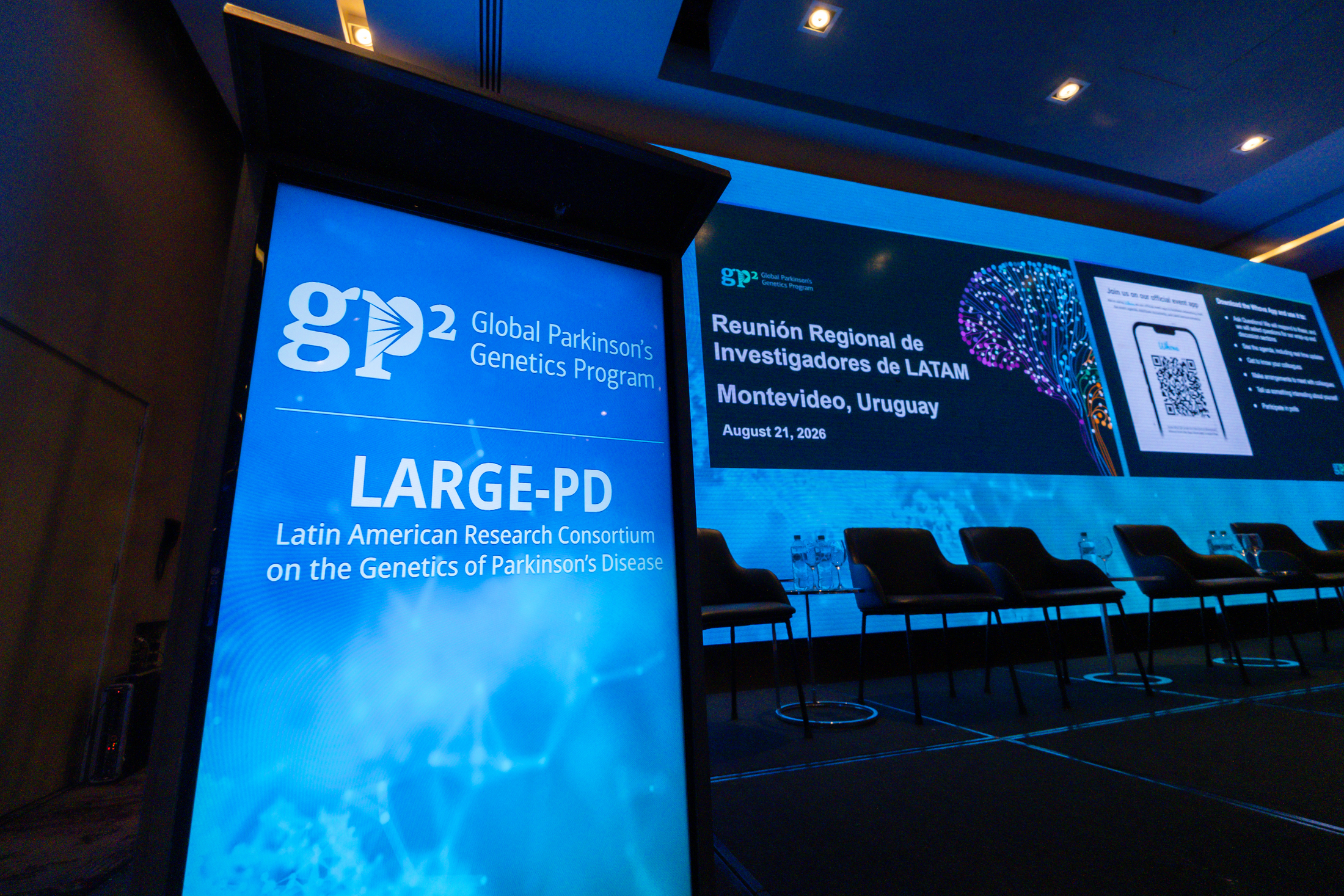
Subsequently, on the 21st and 22nd, the consortium’s regional researchers’ meeting was held in Montevideo, Uruguay. During the event, advances from multiple scientific projects were presented, and future strategies to improve access to information for patients and their families were discussed. Additionally, the progress of CAITauP was showcased, highlighting a key milestone: the genomic analysis of the first patient cohort.
These scientific meetings help consolidate the relationships between our local consortium and global efforts to understand the underlying causes of these neurodegenerative diseases.
Links de interés:
TEPN Lab
CAITauP Consortium
GP2 Program